










How to Calculate the Power of Reading Glasses
reading glasses power, calculate reading glasses, presbyopia glasses, reading glasses prescription
Learn how to calculate the correct power of reading glasses, understand how presbyopia progresses with age
How to Calculate the Power of Reading Glasses
Reading glasses are an essential vision aid for most older adults. However, many people are not clear about how the power of reading glasses is determined, or when they should get a new pair. In this article, we’ll explain how to calculate the power of reading glasses and share some practical tips.
The Calculation Method for Reading Glass Power
Reading glasses come with different lens powers, which usually increase as we age. By the age of 60, the progression of presbyopia (age-related farsightedness) tends to stabilize, and lens power does not change much afterward.
The increase in power follows a general pattern: about +0.50D every five years. For example:
· Around 45 years old → +1.00D (100 degrees)
· Around 55 years old → +2.00D (200 degrees)
· Around 60 years old → +2.50D to +3.00D (250–300 degrees)
After this point, the progression typically slows down.
Simple DIY Calculation
Tools needed: a ruler, cardboard, and sunlight.
Steps:
1. Hold the reading glasses vertically and place cardboard on the other side.
2. Adjust the cardboard’s distance until you see the smallest bright spot form.
3. Use the ruler to measure the distance (f, in meters) between the bright spot and the lens center.
4. Apply the formula: Lens Power (D) = 100 ÷ focal length (cm)
This gives you the approximate power of the reading glasses.
Age and Reading Glasses
The degree of presbyopia is closely related to age. For instance:
· At 45 years old, presbyopia is about +1.50D
· At 50 years old, it increases to around +2.00D
Even if you don’t wear glasses, presbyopia will progress naturally. Delaying the use of reading glasses can strain the ciliary muscles, leading to headaches, eye strain, and blurry vision. It’s best to wear reading glasses once they are needed.
If the glasses no longer feel comfortable or vision is unclear, it’s important to replace them promptly. Wearing the wrong prescription for a long time can accelerate eye fatigue and make daily tasks more difficult.
Important Tips
· Don’t delay getting reading glasses. Once presbyopia starts, glasses should be worn when needed.
· Update your glasses regularly. As the prescription changes, outdated lenses will no longer provide clear vision.
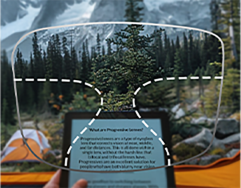
· Progressive lenses require adjustment. According to optical shop professionals, it may take 1–3 weeks to adapt to progressive lenses. If adaptation fails, switching back to single-vision reading glasses is recommended.
· Give your eyes some exercise. When presbyopia first appears, don’t rely entirely on glasses. Allow your eyes some natural training to maintain flexibility.
 Looking for high-quality and stylish reading glasses? Check out the collection at buyglasses.com.

20
This article was written by the buyglasses.com team. Buy glasses at factory prices on buyglasses.com.