









Be Cautious with Sunglasses If You Fall into These Categories
sunglasses safety, who should not wear sunglasses, sunglasses for children, glaucoma and sunglasses, night blindness sunglasses, eye health tips
Sunglasses may be trendy, but not everyone should wear them freely.
Be Cautious with Sunglasses If You Fall into These Categories
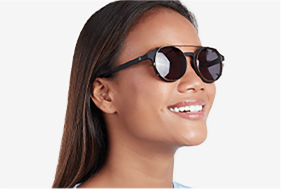
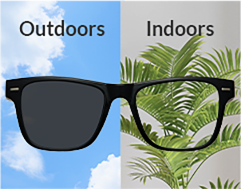
Sunglasses have become an essential fashion accessory for everyday life—whether you're snapping stylish street shots, rocking a hip-hop vibe, enjoying outdoor sports, or lounging by the beach. However, despite their popularity, sunglasses aren’t suitable for everyone.
Here are four groups of people who should be cautious when wearing sunglasses:
1. Children Under 6 Years Old
Children under the age of six are still in the critical stage of physical development, including their visual system. Wearing sunglasses at this age may slightly affect visual clarity and potentially contribute to mild amblyopia (lazy eye).
Many parents believe sunglasses can protect their children’s eyes from UV rays. While the intention is good, darker lenses can cause pupils to dilate, allowing more light to enter the eyes. If the lenses don’t properly filter UV rays—which is often the case with low-quality sunglasses—this can lead to increased UV exposure. Children’s eyes are especially vulnerable, potentially resulting in corneal damage or even early-onset cataracts.
For better eye health, it’s best to wait until the child is at least 7 years old before considering sunglasses. Choose lightly tinted lenses that allow the pupils to remain visible, and limit the wearing time.
2. Glaucoma Patients
Glaucoma is a group of eye diseases characterized by optic nerve damage, often associated with elevated intraocular pressure (IOP). Adequate light exposure is necessary for these patients.
Wearing sunglasses reduces light input, which causes the pupils to dilate. This dilation can lead to increased intraocular pressure, potentially worsening the condition. It may even trigger eye pain or other severe symptoms. For glaucoma patients, improper sunglasses use can be dangerous.
3. Individuals with Color Blindness or Color Weakness
People with congenital color vision deficiencies—commonly known as color blindness or color weakness—already struggle to distinguish certain hues. Wearing tinted lenses can further distort color perception, increasing the difficulty of identifying colors accurately.
For these individuals, sunglasses can interfere with daily tasks and may even pose safety risks in environments where accurate color recognition is essential.
4. People with Night Blindness
Night blindness (nyctalopia) refers to difficulty seeing in low-light environments, such as at dusk or nighttime. Wearing sunglasses reduces light transmission even further, making it harder for individuals with this condition to see clearly and move safely.
Conclusion
Sunglasses are more than just a stylish accessory—they’re tools for eye protection when used correctly. However, for the groups listed above, wearing them without medical advice could pose risks. If you or someone you know falls into any of these categories, it's best to consult an eye care professional before using sunglasses.
Share this article with friends or family who might benefit from this knowledge!

20
This article was written by the buyglasses.com team. Buy glasses at factory prices on buyglasses.com.